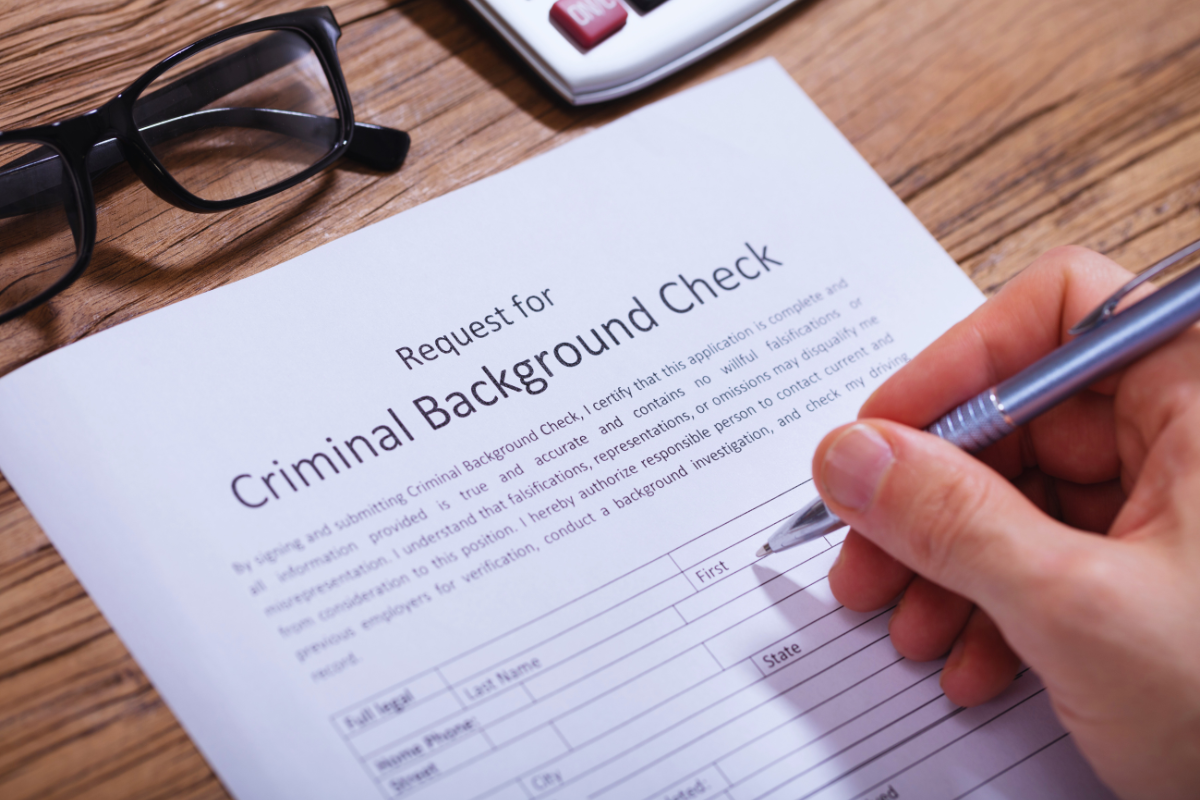
“I’m qualified and was honest about my record… so why didn’t I get the job?”
To help unpack that question, Attorney Mark Walmer recently sat down with Attorney Eric Stark and Attorney Alexis Conrad of Stark Law Group, LLC, a Pennsylvania firm that represents employees in workers’ compensation and employment law matters. What came out of that conversation was eye-opening, especially when it comes to how criminal records are supposed to be used in hiring, and what rights applicants actually have under Pennsylvania law.
Understanding CHRIA and Employment Decisions
At the center of the discussion was Pennsylvania’s Criminal History Record Information Act (CHRIA) — a law that governs how criminal record information can be collected, shared, and used by employers.
As Attorney Alexis Conrad explained, CHRIA applies to both public and private employers and directly impacts how criminal records are considered during the hiring process. Employers are limited to considering certain convictions, but only if the conviction is relevant to the job being applied for.
That “relevance” piece is critical. A theft conviction may be relevant to a job handling money, but far less relevant to an unrelated role like warehouse labor or equipment operation. There is no strict time cutoff written into the law, but the further removed an offense is (especially if someone has a clean record since) the harder it becomes for an employer to justify denying employment based solely on that conviction.
The Problem of “Passive Denials”
One issue that came up repeatedly is something we hear from our clients every day: passive denials. These are situations where someone applies for a job, is honest about their record, seems qualified, and then simply never hears back.
The challenge with passive denials is proving why the employer didn’t move forward. However, CHRIA does provide protections when a criminal record is used as part of the decision-making process. If an employer relies on a background check to deny employment, the applicant is entitled to written notice explaining the reason for denial and a copy of the criminal history information used, similar to how credit denials work.
In one case discussed during the interview, an applicant was outright told they were denied because of their criminal history while in other cases, attorneys may start by sending a demand letter to the employer to determine whether the law was followed before pursuing formal legal action.
What Happens If CHRIA Is Violated?
When employers violate CHRIA, individuals may be entitled to recover actual damages, including lost wages, litigation costs, and attorney’s fees. Importantly, these cases are often handled on a contingency basis, meaning clients don’t pay anything upfront.
In some situations, employers choose to resolve the issue early by reinstating the applicant or offering the position along with back pay, especially when violations are clearly identified. These remedies can make a real difference for individuals who were unfairly blocked from employment opportunities.
Workers’ Compensation, Unemployment, and Criminal Records
The conversation also touched on how employment law intersects with workers’ compensation and unemployment benefits. Stark Law Group regularly encounters situations where a criminal record isn’t the core issue, but during case review, a valid workers’ compensation claims or unemployment eligibility becomes clear.
For example, someone terminated after years of successful employment due to a background check update may still be eligible for unemployment benefits, since termination under those circumstances typically does not rise to the level of “willful misconduct.”
Similarly, workers’ compensation claims have strict notice and filing deadlines, but can provide meaningful relief when injuries occur on the job.
Honesty Matters – and So Does Education
A recurring theme throughout the discussion was the importance of knowing your record and being honest about it. Misunderstanding what’s actually on your criminal record, or how old offenses may be viewed, can lead to unnecessary fear, missed opportunities, or new legal issues.
This is exactly where education plays a critical role. Knowing what appears on your Pennsylvania criminal record, how to explain it accurately, and when to seek legal help can change the trajectory of someone’s employment journey.
Why This Conversation Matters
Criminal records don’t just affect whether someone gets hired, they impact long-term stability, confidence, and opportunity. Laws like CHRIA exist to prevent blanket exclusions and ensure fairness, but they only work if people know their rights and how to assert them.
That’s why conversations like this one matter. By bringing together criminal record clearing and employment law perspectives, we can help individuals better understand not just what’s on their record, but how it should, and should not, be used against them.
If you’re navigating employment challenges tied to a criminal record, education is the first step. Understanding your rights can make all the difference.
Erase My Record
"*" indicates required fields